Insurance often covers sudden roof damage — but not age or neglect. Here's what's covered, what isn't, and how the claim process works.
When Insurance Usually Covers Roof Damage
Most standard homeowners policies cover roof damage caused by sudden, unexpected events. That usually includes wind, hail, fallen trees, and damage from heavy storms. If a nor'easter tears shingles off or a branch punches a hole in your roof, that's often a covered claim. Fire and other sudden disasters are typically covered too. The key word is sudden. Insurance is built to handle surprises, not slow decline. If a covered event causes a leak, the resulting interior water damage is often covered as well. Every policy is different, though. Some have separate deductibles for wind or hail, and coverage limits vary. The best move is to read your policy or call your agent, so you know exactly what you're protected against.
When a Claim May Be Denied
Insurance doesn't cover everything, and knowing the gaps helps. Normal wear and tear is the big one. If your roof simply got old and started leaking, that's considered maintenance, not a covered loss. Damage from neglect, like ignoring a small leak until it ruins the ceiling, can also be denied. Some insurers reduce payouts on older roofs or only cover the depreciated value. Filing too late can hurt you, since many policies have time limits. Lack of documentation is another common reason claims fall short. If you can't show the damage was sudden and recent, the insurer may push back. This is exactly why fast photos, quick reporting, and a professional inspection matter so much after any storm.
How to File a Roof Insurance Claim
Filing a claim is more straightforward when you take it step by step. First, document the damage with photos and notes as soon as it's safe. Next, review your policy and report the damage to your insurance company promptly. They'll assign a claim number and schedule an adjuster to inspect your roof. Before the adjuster visits, it helps to have a roofer inspect the damage too. We provide a detailed repair estimate and can meet the adjuster on site to point out everything. Once the claim is reviewed, your insurer decides what's covered and issues payment, minus your deductible. Remember, your deductible is your responsibility, and no honest contractor can waive it. Keep copies of every document and estimate for your records.
How a Roofing Contractor Helps With Your Claim
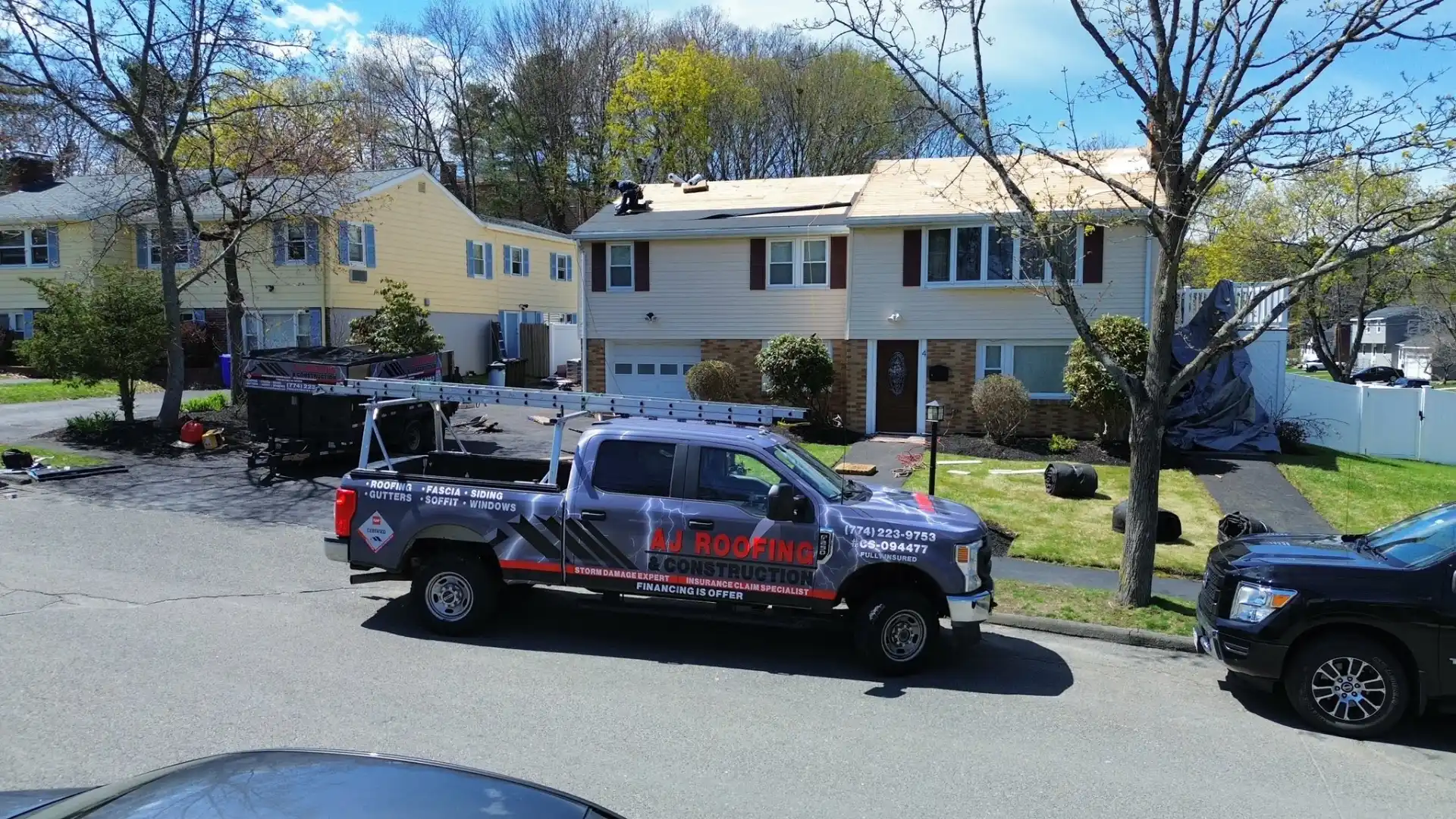
A roofing contractor can take a lot of pressure off the claims process. We start with a free inspection and document the damage thoroughly with photos and notes. That record supports your claim with clear evidence. We prepare a detailed estimate of the repairs your roof needs, which gives the adjuster a professional point of reference. We can also meet the adjuster on site, walk through the damage together, and answer questions so nothing gets overlooked. We can't promise a specific outcome, since the insurer makes the final call. What we can do is make sure the damage is documented and presented accurately. Once your claim is approved, our certified crews complete the repairs with quality materials backed by warranty.