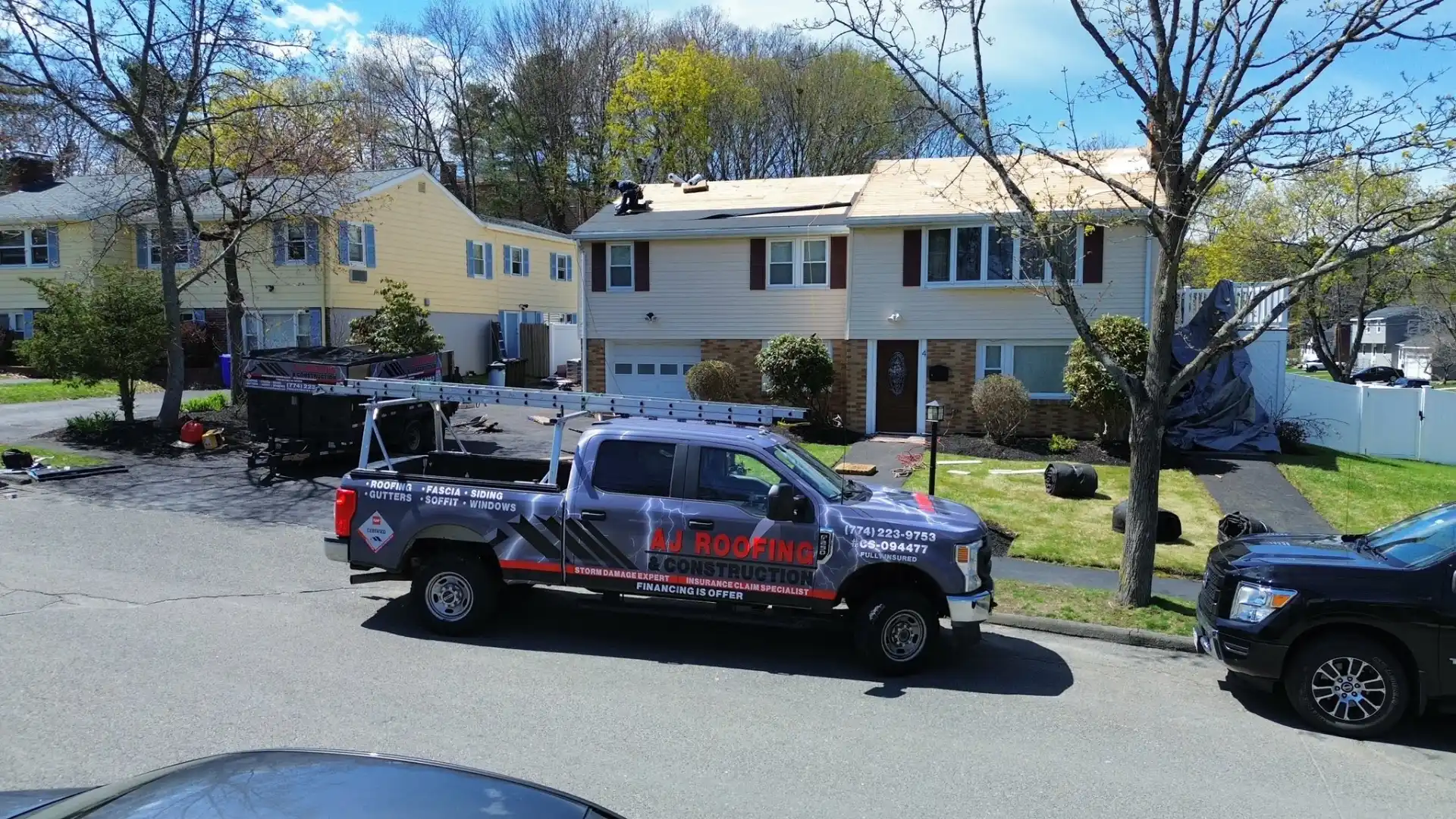
A new roof is a big investment. Here's what drives the price in Massachusetts, what to expect by material, and how to save money.
What Affects the Cost of a New Roof
Several factors decide what a new roof costs. Size is the biggest. Roofs are priced by the square, which is a 100 square foot section, so a larger roof means more materials and labor. The material you pick matters a lot, from budget-friendly asphalt shingles to pricier metal or slate. A steep or complex roof with lots of valleys, chimneys, and skylights takes more time and skill, which raises the cost. If the old roof needs to be torn off, or if there's rotted decking underneath, that adds to the bill. Better materials and longer warranties cost more upfront but can save money later. Permits and the contractor's experience and certifications also play a role. Every home is different, which is why a written estimate is the only accurate number.
Typical Roofing Material Costs
Here are general ranges to set expectations, not a quote for your home. Asphalt shingles are the most popular and affordable option in Massachusetts. Architectural shingles offer a nice balance of cost and durability and are a common pick. Metal roofing costs more upfront, often two to three times the price of asphalt, but it lasts far longer and handles snow and wind well. Wood shakes sit in the mid to upper range and need more maintenance. Slate and tile are premium, high-cost materials that can last generations. Beyond the material itself, labor, tear-off, and any deck repairs add to the total. Because prices shift with the market and your specific roof, treat these as a starting point. A free estimate gives you the real figure for your home.
The Best Time of Year to Replace a Roof
Timing can affect both your experience and your schedule. In New England, late spring through early fall is the sweet spot. Mild, dry weather lets crews work efficiently and helps shingles seal properly. Fall is especially popular, since homeowners want a solid roof before winter arrives. That also means fall books up fast, so plan ahead. Winter roofing is possible, but cold temperatures make some materials harder to install, and snow can cause delays. Summer works well too, though crews are busiest then. If your roof isn't an emergency, scheduling in the shoulder seasons can mean more flexibility. If you have storm damage or an active leak, don't wait for perfect weather. Emergency tarping protects your home until a full replacement can be done safely.
Ways to Make a New Roof More Affordable
A new roof is a big investment, but there are ways to ease the cost. Financing lets you spread the price over time instead of paying it all at once, so you can protect your home now and budget the payments. If your roof was damaged in a storm, an insurance claim may cover much of the cost, minus your deductible. Ask your contractor to document the damage for the claim. Replacing the roof before it fails also saves money, since you avoid the water damage and repeated repairs that come with waiting too long. Choosing quality materials with strong warranties pays off over the life of the roof. AJ Roofing Corp offers financing, senior discounts, and insurance claims assistance, so ask about all of them when you get your estimate.