Most roof leaks come from a handful of causes. Here's how to spot them, what to do, and when to call the pros.
Common Causes of Roof Leaks
Most roof leaks start at the weak points, not the open field of shingles. Flashing is a big one. That's the metal that seals around chimneys, vents, skylights, and valleys. When it cracks or pulls loose, water finds its way in. Damaged or missing shingles are another common cause, especially after a windy New England storm. Clogged gutters can back water up under the roof edge, and worn pipe boots around vents crack with age. Ice dams are a seasonal problem here. When snow melts and refreezes at the eaves, water pushes back under the shingles. Old age plays a role too. Once a roof passes 20 years, the materials simply wear out and start letting water through.
Signs You Have a Roof Leak
You don't always see a leak right away. Often the first sign is a brown or yellow stain on a ceiling or wall. You might notice paint bubbling, peeling, or a musty smell in the attic. Check your attic after heavy rain. Damp insulation, dark wood, or daylight coming through the roof boards all point to a problem. On the roof itself, look for missing, curled, or cracked shingles and granules collecting in your gutters. If your energy bills climb, a leak letting in moisture could be the reason. The tricky part is that water travels. The spot where it shows up inside is often far from where it actually enters. That's why a full inspection matters.
What to Do When Your Roof Leaks
When you spot a leak, act fast to limit the damage. Move furniture and electronics away from the water. Put down a bucket and lay towels to catch drips. If the ceiling is sagging or bulging, that's trapped water. Carefully poke a small hole at the lowest point to drain it into a bucket, so the whole ceiling doesn't come down. Don't climb onto a wet roof yourself. It's dangerous, and you could make the damage worse. Take photos of everything, inside and out. Those photos help if you end up filing an insurance claim. Then call a licensed roofer. If the leak is active and serious, ask about emergency tarping to protect your home until repairs can happen.
How a Roofer Finds and Fixes the Leak
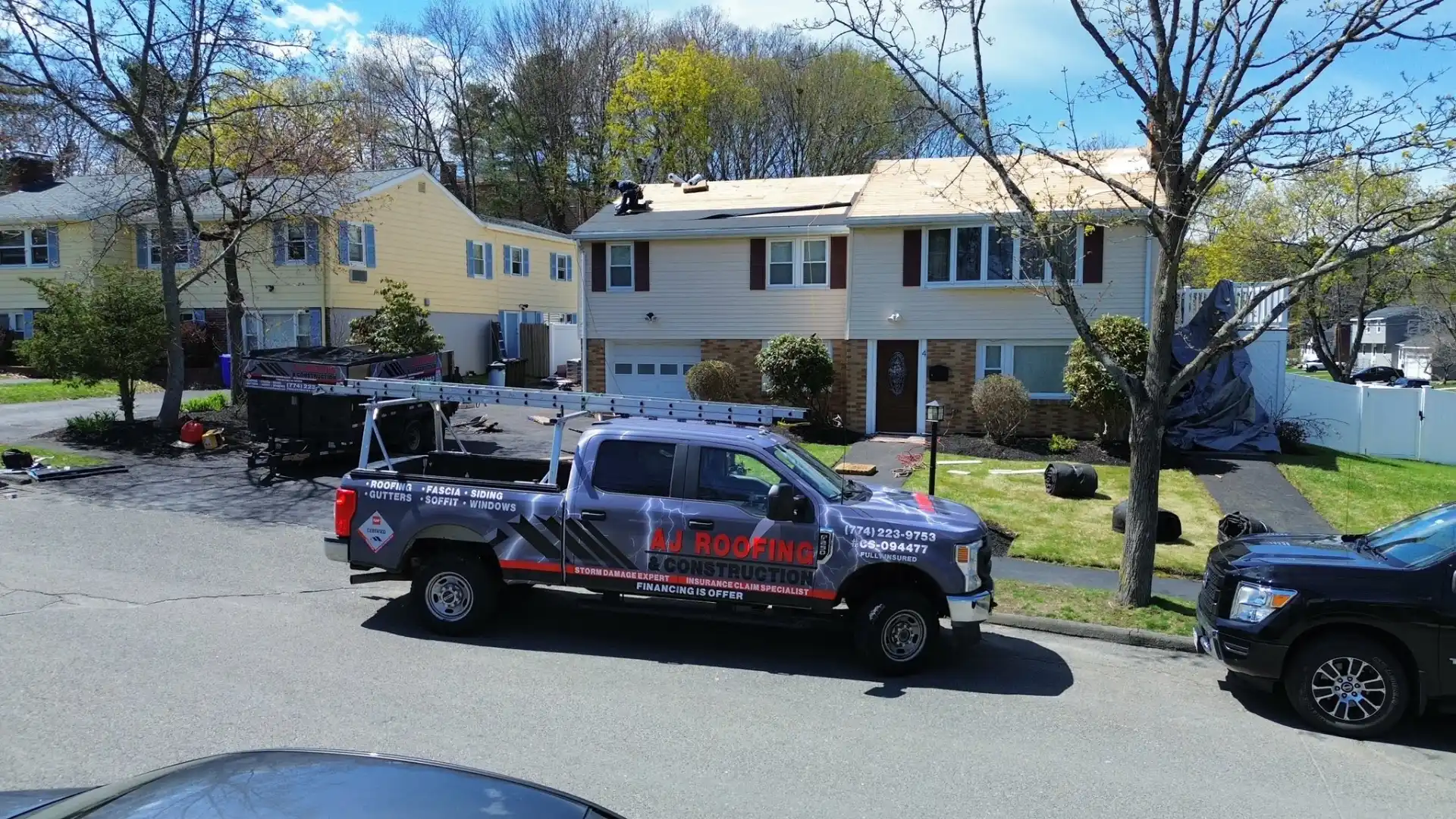
A good roofer starts with a full inspection, not a guess. We check the flashing, shingles, vents, valleys, and the attic to trace the water back to its real source. Sometimes the fix is simple, like resealing flashing or replacing a few shingles. Other times the leak points to a bigger issue that needs more work. Once we know the cause, you get a clear written estimate before anything starts. If the damage came from a storm, we can document it for your insurance claim too. AJ Roofing Corp is licensed, insured, and GAF, Owens Corning, and CertainTeed certified, so repairs are done right and backed by warranty. The goal is simple: stop the leak and keep it stopped.